


In the rapidly evolving automotive industry, 2025 has brought a mix of challenges and opportunities for key players in the parts and components sector. As global vehicle production faces headwinds from declining output and delayed electric vehicle (EV) adoption, major suppliers are adapting through restructuring, cost-cutting, and strategic investments. Meanwhile, the push toward intelligent and electrified chassis systems is driving innovation, particularly in braking, steering, and drivetrain technologies. This article explores the latest developments among top automotive suppliers, drawing from recent industry reports, to provide a comprehensive overview for aftermarket professionals and buyers.
As a dedicated manufacturer of high-quality automotive brake cylinder, calipers, clutch cylinder, and US-spec brake assemblies, we at SY-PARTS are committed to delivering reliable solutions that align with these market shifts, ensuring our global clients-from OEM partners to cross-border e-commerce buyers-stay ahead in a competitive landscape.
Global Challenges for German Automotive Giants
German automotive suppliers, long regarded as pillars of engineering excellence, are grappling with significant pressures in 2025. Declining vehicle production has led to underutilized factory capacities, while heavy investments in EV transitions have yet to yield substantial returns. Experts note that suppliers are particularly vulnerable to reduced output, exacerbated by sluggish EV demand and shifting consumer priorities away from new vehicle purchases. Product quality remains strong, but competitive delivery and cost structures are straining these large conglomerates.

Bosch Group: Workforce Reductions Amid Broader Pressures

As the world's largest automotive supplier, Bosch is facing multifaceted challenges across its portfolio, including control units, drives, steering systems, EV components, in-vehicle software, and engineering services. Factors such as falling vehicle production, delayed OEM projects, excess capacity, and intensifying competition-especially from Chinese rivals-are eroding competitiveness.
Beyond automotive, Bosch's other divisions (e.g., heating systems, household appliances, and power tools) are also under strain. Since late 2023, the company has implemented aggressive cost-saving measures, announcing nearly 15,000 job cuts globally, with the majority in its German supplier operations. Thousands more employees have seen reduced working hours. CEO Stefan Hartung anticipates further layoffs due to ongoing economic and industry changes, signaling a focus on streamlining operations to prioritize profitable segments.
Continental Group: Major Spin-Off and Cost Optimization
Continental is undergoing a historic restructuring, with plans to spin off its struggling automotive supplier division on September 18, 2025, and list it as an independent entity named Aumovio. This move, described by CEO Nikolai Setzer as the company's most profound reorganization, aims to unlock new potential by reverting Continental to its roots as a pure tire manufacturer-echoing its 1871 origins in horse hooves and tires.
The automotive division, which includes brakes, chassis, vehicle electronics, infotainment, sensors, and advanced driver-assistance systems (ADAS), has posted losses in recent years but showed slight profit improvements in Q2 2025 despite a 5% sales drop. This uptick is attributed to cost reductions and price adjustments. Over 10,000 jobs are slated for elimination, split evenly between administrative and R&D roles. Aumovio employs about 92,000 staff (half of Continental's total) and generated €19.4 billion in sales last year.

ZF Group: Ongoing Crisis and Restructuring Talks
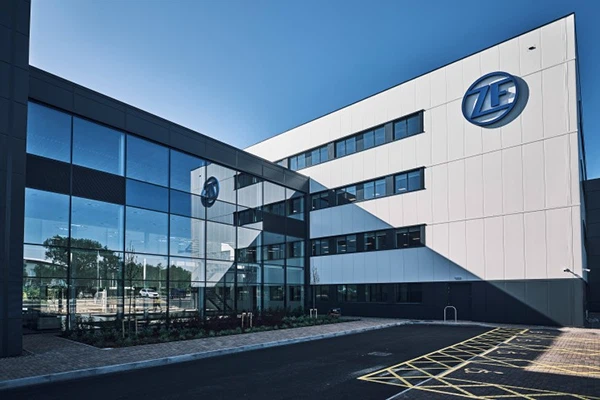
Headquartered near Lake Constance, ZF continues to navigate deep-seated issues, projecting losses for 2025. Around 50,700 production and administrative workers face job insecurity, with thousands of positions at risk in the coming years. ZF's offerings span automatic and manual transmissions, chassis components, steering systems, drives, brakes, and safety technologies.
The drivetrain division is a focal point for reorganization, lacking competitiveness in EVs, hybrids, and internal combustion engines due to delayed EV rollouts and high costs in traditional transmissions. This unit employs one-fifth of ZF's global workforce and accounted for nearly a quarter of last year's sales. Negotiations with employee representatives on core division restructuring are expected in the coming weeks.
Schaeffler Group: European Job Cuts Despite Diversification
Schaeffler has fared relatively well thanks to its diversified operations, with its automotive electric drive business thriving. However, traditional transmission and chassis segments declined in the first half of 2025. Overall, group revenue fell 4.6% year-over-year to approximately €11.9 billion, with EBIT dropping €49 million to €482 million.
As one of the industry's largest players, Schaeffler announced 4,700 job cuts in Europe, including 2,800 in Germany, to address economic headwinds while capitalizing on growth areas.
Mahle Group: Transformation and Job Reductions
Founded in Stuttgart, Mahle has transitioned from profitable internal combustion engine operations to focus on thermal management-critical for EV heating and cooling. Amid business downturns, CEO Arnd Franz announced around 600 job cuts in Germany over the past year, leaving about 10,000 employees there.
A 2023 agreement with unions protects German staff from compulsory redundancies until the end of 2025, with site-specific future plans in development to ensure long-term viability.
These developments underscore a broader industry imperative: simplifying structures and concentrating on high-return areas to weather the storm.
The automotive aftermarket is poised for growth amid these shifts. As suppliers restructure, aftermarket demand for reliable, cost-effective replacements in braking and clutch systems will rise. EV transitions emphasize advanced components like electronic brakes and thermal management, creating niches for high-performance parts.
Stay tuned for more industry insights, and contact us to discuss how we can partner for your next project.