



Step-by-step instructions for checking brake fluid
1. Locate the brake master cylinder reservoir. It is usually installed on or near the firewall at the rear of the engine compartment, almost directly in front of where the brake pedal is installed on the other side of the partition. If you encounter problems during identification, please refer to the vehicle's user manual.

2. Check the liquid level.
 Newer vehicles: Most newer vehicles have a translucent reservoir with a clearly marked "full" line. If your vehicle has this type of liquid storage tank, you can check the liquid level without removing the cap.
Older vehicles: Most older (early 1980s and older) vehicles have a metal liquid storage tank with a spring clip on the top. Wipe the outside of the top clean to help prevent any debris from entering the brake fluid. You need to pry the clamp to one side and then lift it from the top to check the level. The "complete" line should be clearly marked.

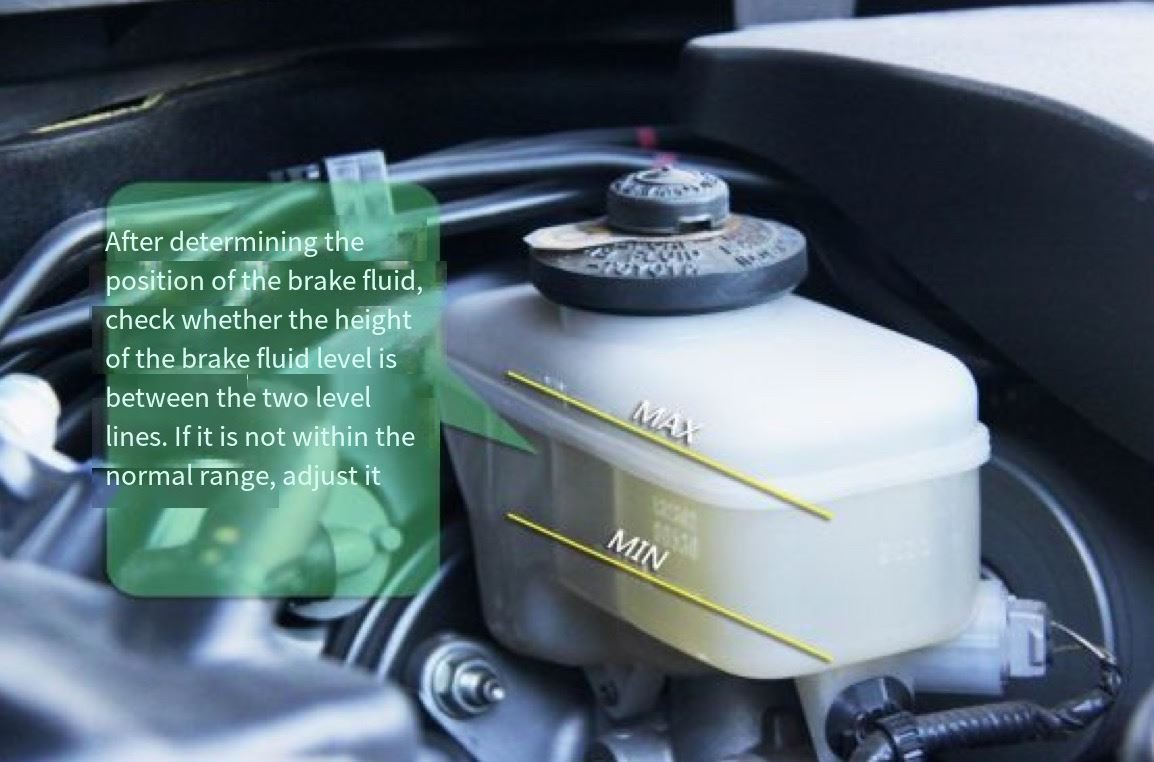
3. If the fluid level is low, add brake fluid to the "full" line.
 Important note: A drop in brake fluid usually indicates that your brake pads have worn to the point where maintenance is required. Be sure to ask a professional to check your brakes.
Note: Do not use brake fluid other than the specific type recommended for your vehicle. Don't overfill it. If your vehicle has dual-chamber reservoirs, please fill up both chambers to the "full" line. If the water tank is very low or empty, it may be unsafe to drive your vehicle. Consult an ASE-certified brake technician immediately.
4. Replace the lid/top. You are done!