


First of all what is brake fluid?

Brake Fluid, also called brake fluid or brake oil, is the hydraulic medium of the automobile braking system. Because the liquid cannot be compressed, the pressure output from the master cylinder will be directly transmitted to the sub-cylinder through the brake fluid. Among them, it has four functions of energy transmission, heat dissipation, anti-corrosion and anti-rust, and lubrication. Brake fluid is divided into silicon-containing brake fluid and silicon-free brake fluid.
Brake fluid can be one of those "out of sight, out of mind" vehicle components - one we often don't think about until we have a problem. However, your brake fluid works hard every day to keep you safe on the road. Over time, it may burn out, wear out, or become contaminated, which will prevent proper braking function. Watch out for these 5 signs that you need a brake fluid flush.
①Soft, springy or spongy brake pedal
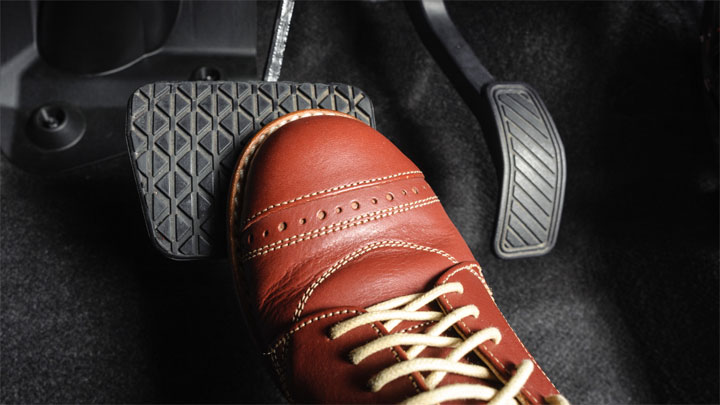
When you press the brake pedal, does it feel soft, spongy, loose, or springy? Do you have to press the brake pedal all the way down before the vehicle slows down and comes to a stop? This is a sign that you need to change your brake fluid.
Low brake fluid can cause air to fill the voids in the brake lines, causing soft braking. Loose brake pedals can be scary and dangerous -- especially if you don't get them serviced at the first sign of a problem.
②ABS dashboard lights
The ABS dashboard light indicates a problem with your anti-lock braking system. This system prevents your wheels from locking up during braking to prevent slippage and maintain traction. Low brake fluid automatically turns on the ABS system to help your vehicle stop safely.
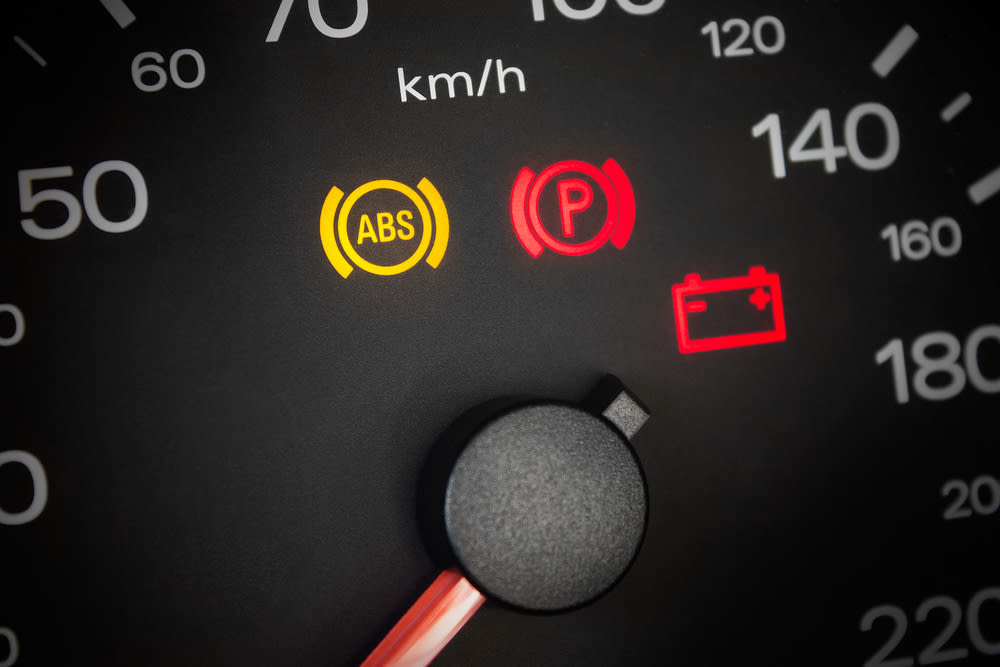
③ineffective braking performance

Your brakes should be quick and responsive to help you stay safe in an emergency. Any delay or difficulty in slowing down or stopping is a sign that your brakes need service. These problems may indicate that you need a brake fluid flush.
Other possible culprits include warped rotors, worn brake pads, or problems with other brake system components. Ineffective braking can also be caused by underlying problems such as tire tread wear, vibrations or struts. A professional can check your braking system and tell you what kind of service is needed to restore braking performance.
④Strange noises or smells when braking
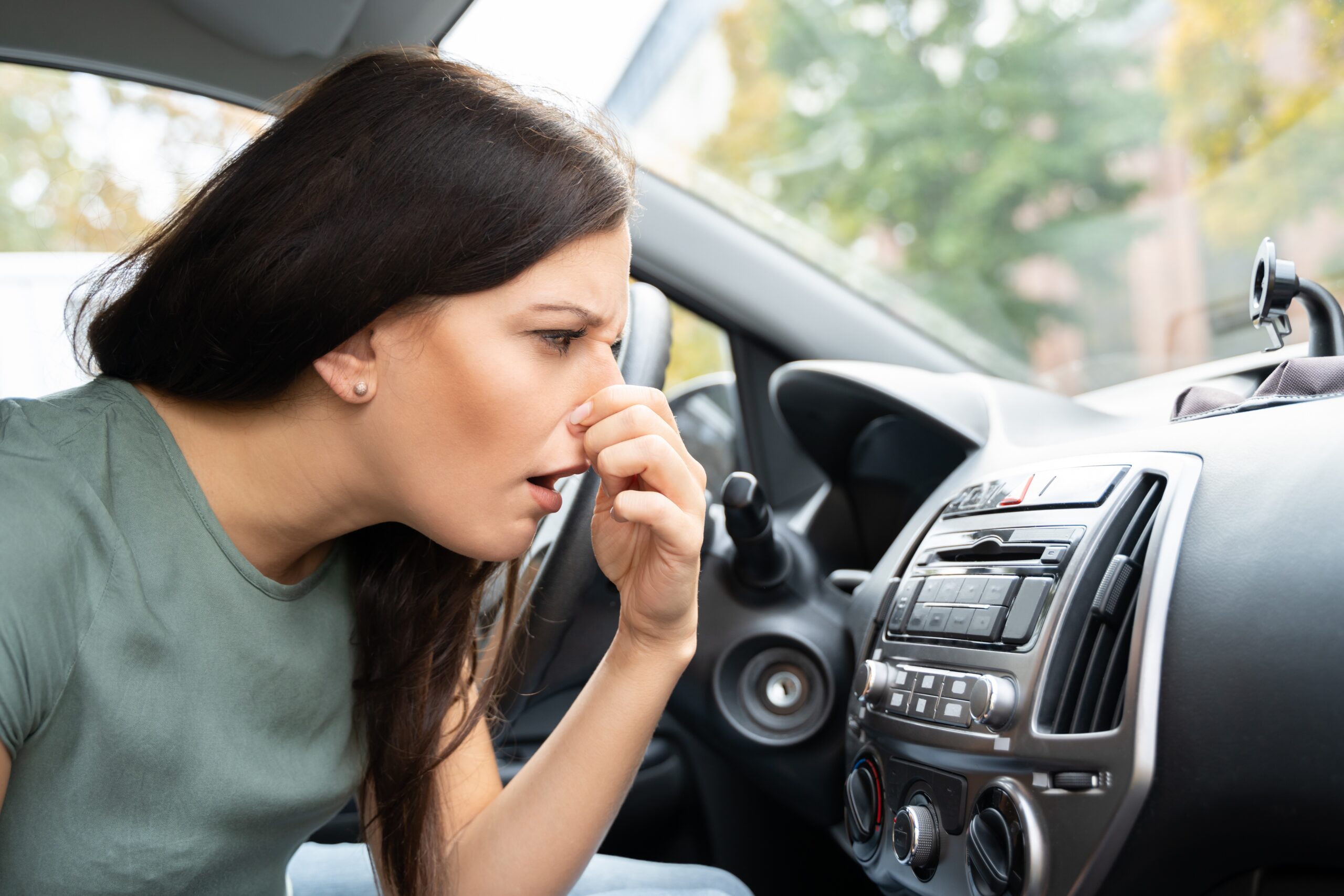
If you hear strange noises when braking, it could be due to low brake fluid or other brake system problems. Common sounds include scratching or grinding.
A burning smell after hard braking could mean you have burned out brake fluid. In this case, you should park the vehicle in a safe place and allow it time to cool down. You should also contact your local mechanic to find out and arrange a home visit. Driving with burnt brake fluid can cause more serious problems, including brake failure.
Routine maintenance of brake fluid flushing
When all else fails, you can fall back to the recommended maintenance schedule for brake fluid changes. On average, you need to flush your brake fluid every 2 years or 30,000 miles.
Routine maintenance also depends a lot on your driving patterns. For example, if you tend to drive shorter routes with frequent braking, you may need to flush your brake fluid more frequently.